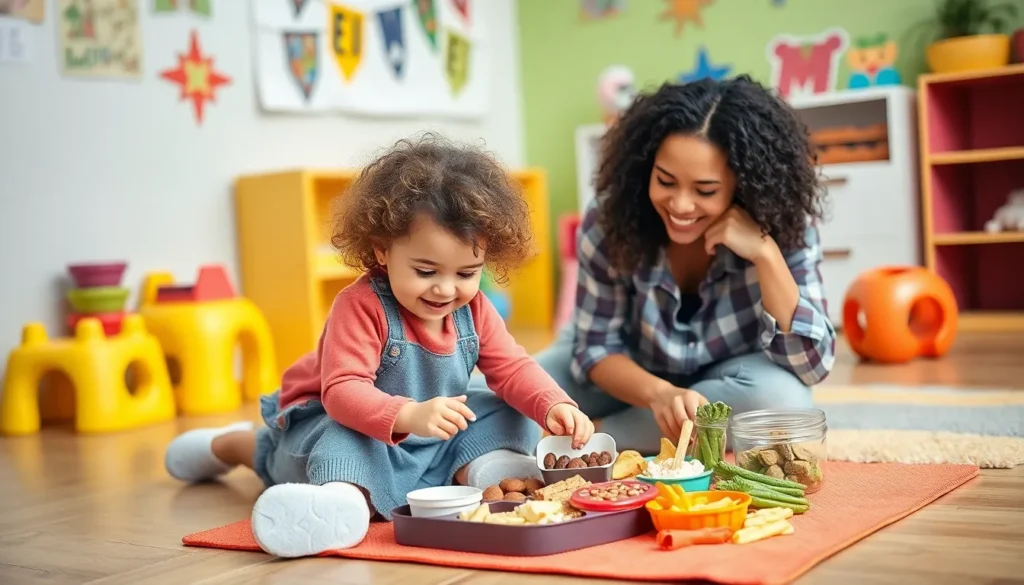
In the wild world of parenting, styles can vary as much as the snacks in a toddler’s lunchbox. From the strict “drill sergeant” to the laid-back “cool parent,” understanding these diverse approaches is key to raising well-rounded kids. Parenting styles shape not just behavior but also emotional and social development, making it crucial to know which camp you belong to.
Overview of Parenting Styles Psychology
Parenting styles significantly affect a child’s emotional well-being and social skills. Research identifies four primary styles: authoritarian, authoritative, permissive, and neglectful. Each style operates within distinct boundaries and expectations.
Authoritarian parenting creates a structured environment emphasizing obedience. Often, parents establish strict rules with little room for flexibility. This approach can lead to children who follow rules but struggle with self-esteem and decision-making.
In contrast, authoritative parenting balances expectations with support. Parents set clear rules but also encourage open communication. Children raised this way typically exhibit higher self-esteem, better social skills, and greater emotional regulation.
Permissive parenting focuses on nurturing without imposing strict boundaries. Parents often act as friends rather than authority figures. While this style fosters creativity and self-expression, it can result in issues with discipline and responsibility in children.
Neglectful parenting results in minimal emotional involvement and lack of structure. Children may experience feelings of abandonment, leading to behavioral problems and difficulties in forming relationships.
Understanding these different parenting styles is vital for parents aiming to raise well-rounded individuals. Recognizing one’s own style enhances the ability to adapt and respond effectively to a child’s unique needs. Each approach carries its consequences, shaping how children interact with others and navigate their environments. Evaluating the impact of these styles aids parents in fostering healthier relationships and better outcomes for their children.
Types of Parenting Styles

Understanding the four primary parenting styles is crucial for shaping children’s development and behaviors. Each style uniquely impacts how children grow and interact with the world.
Authoritative Parenting
Authoritative parenting balances expectations with support, promoting healthy communication between parent and child. Parents maintain clear guidelines while encouraging independence, leading to higher self-esteem in children. This style fosters social competence and better emotional regulation, as they feel both challenged and supported. Research consistently shows that children raised by authoritative parents often exhibit better academic performance and overall well-being.
Authoritarian Parenting
Authoritarian parenting emphasizes strict rules and high expectations without much room for dialogue. Parents enforce discipline and often demand obedience, fostering compliance but potentially damaging self-esteem. Children raised in this environment may excel in following rules but struggle with autonomy and decision-making skills. Lack of emotional warmth can lead to increased anxiety and decreased social skills as they navigate relationships outside the home.
Permissive Parenting
Permissive parenting is characterized by a relaxed approach, where parents are more nurturing than controlling. They prioritize creativity and self-expression but often struggle with setting boundaries. Children may enjoy freedom but can face challenges with discipline and responsibility. This style often results in difficulties with authority figures outside the home, as kids may not respond well to structured environments.
Uninvolved Parenting
Uninvolved parenting depicts a lack of engagement, where parents provide little guidance or emotional support. This hands-off approach results in minimal interaction and oversight, often leaving children to fend for themselves. Children exposed to this style can experience emotional distress, leading to behavioral issues and difficulties forming healthy relationships. Research indicates that neglectful parenting can significantly hinder social and academic success.
Impact of Parenting Styles on Child Development
Parenting styles significantly shape children’s growth across various domains. Understanding these influences offers insights into fostering well-rounded individuals.
Emotional Development
Authoritarian parenting often leads to heightened anxiety in children. This style emphasizes strict rules, limiting emotional expression. By contrast, authoritative parenting encourages self-regulation and emotional intelligence, promoting resilience. Permissive parents nurture creativity but may struggle with instilling emotional boundaries. Consequently, children’s ability to manage emotions can vary widely depending on the parenting approach. Neglectful parents typically fail to support emotional needs, often resulting in children who experience difficulties with emotional connections.
Social Skills
Children raised in authoritative environments tend to exhibit better social skills. They learn to communicate effectively and develop strong friendships through encouragement from their parents. Authoritarian parenting can restrict social interactions, which might lead to difficulties in forming healthy relationships. On the other hand, permissive parenting fosters a playful attitude but may create challenges in understanding social norms. Children from neglectful backgrounds often lack social skills altogether, limiting their ability to engage with peers and build meaningful connections.
Academic Performance
Academic performance often correlates with parenting style. Authoritative parents create an environment that balances support with expectations, leading to higher academic success. Their children generally exhibit better study habits and motivation. Children in authoritarian homes may comply but often struggle with intrinsic motivation, affecting long-term academic outcomes. Permissive parents might overlook the importance of structure, causing inconsistent performance in school. Neglectful parenting typically results in the poorest academic achievements, as minimal engagement in a child’s education can hinder development.
Factors Influencing Parenting Styles
Parenting styles are shaped by multiple factors that vary across families and communities. Understanding these influences helps parents adapt their approaches effectively.
Cultural Influences
Cultural background significantly shapes parenting styles. Different cultures prioritize unique values, such as collectivism or individualism. Collectivist cultures may emphasize community and family bonds, resulting in more authoritative or cooperative parenting practices. Individualistic cultures often encourage independence, which can lead to permissive styles. Norms surrounding discipline and emotional expression vary too; some cultures promote open communication, while others stress obedience and respect for authority. Family roles and expectations also differ; for instance, extended families play a crucial role in many cultures, providing additional support and shaping parenting approaches.
Socioeconomic Status
Socioeconomic status affects resources and support systems available to families. Higher income families might afford educational resources, extracurricular activities, and stable environments, promoting authoritative parenting styles. Struggling financially, lower income families may face stress and time constraints, potentially leading to neglectful or authoritarian approaches. Access to healthcare, quality education, and social services further shapes parenting dynamics. Additionally, stress from financial instability can hamper emotional connections between parents and children, impacting a child’s development and emotional well-being. Understanding these connections allows parents to recognize the influence of their circumstances on their parenting approaches.
Understanding parenting styles is crucial for fostering healthy child development. Each approach carries unique implications for emotional and social growth. By recognizing their own style parents can make informed choices that promote resilience and well-being in their children. Adapting parenting strategies to fit individual circumstances and cultural backgrounds enhances the overall parenting experience. Ultimately this awareness paves the way for nurturing well-rounded individuals ready to navigate life’s challenges.